Academic Study Insight Hub Histologi Explaining Histology Related Search Queries

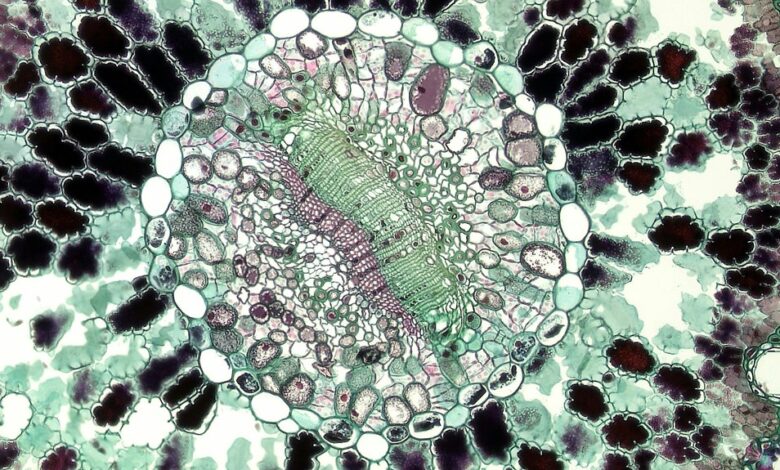
The Academic Study Insight Hub on Histology clarifies how search queries map to core tissue biology concepts, nomenclature, and interpretation. It emphasizes translating microscopic patterns into structure and function through reliable steps: staining clues, morphology, and cross-tissue connections. The guide offers precise, evidence-based strategies for framing questions, tracking progress, and applying methods in exams and independent study. It invites further exploration into practical search frameworks that unify terminology with diagnostic reasoning, leaving readers with a clear incentive to continue.
What Histology Is and Why It Matters for Students
Histology is the study of the microscopic structure of tissues and how these structures relate to organ function.
The field provides histology definitions, clarifying terminology and core concepts.
It emphasizes student relevance by linking cellular patterns to function, enabling informed study choices.
Recognizing learning impact helps learners track progress, apply evidence-based methods, and integrate histology terminology into coherent, precise scientific understanding.
How to Read Tissue Slides: From Stains to Cellular Details
Reading tissue slides requires translating microscopic appearance into meaningful tissue identity and function. The section presents a concise framework for reading slides, correlating stains with structure and function. It emphasizes consistent observation, note-taking, and cross-referencing with established histology criteria. Key practices include recognizing cellular staining patterns, comparing baseline morphology, and documenting findings to support accurate, transferable histologic interpretations for informed study.
Common Histology Topics You Search For (And How They Connect)
What are the core histology topics researchers routinely search for, and how do these topics connect across tissues and exam contexts? Core concerns include tissue architecture, cellular morphology, and staining patterns. Connections emerge through comparative anatomy and slide interpretation across organs, aiding integrated study strategies. This framework supports disciplined review, fosters transferable knowledge, and clarifies expectations for exams while guiding independent exploration.
Quick Study Routines for Histology Mastery on a Timeline
A practical timeline for histology mastery organizes study into concise, repeatable sessions that build tissue recognition, cellular detail, and staining interpretation. Quick study routines emphasize consistent practice routines, spaced repetition, and progressive complexity. Mind maps visualize connections among tissues and stains, while practice routines reinforce morphology recognition. The approach favors autonomy, measurable milestones, and disciplined review to sustain durable, transferable histology proficiency.
Conclusion
This article reinforces that histology studies hinge on translating stains, morphology, and tissue context into functional understanding. By tracing staining clues to cellular detail and cross-tissue patterns, students build transferable diagnostic frameworks. The approach binds terminology to structure, improves pattern recognition, and supports exam-ready reasoning. In sum, histology mastery is a carefully choreographed sequence of observation, evidence-based interpretation, and deliberate practice—guiding learners from microscopic hints to meaningful biological insight, like a compass guiding through varied terrains.