Caller Identification Question Portal How Can I Check a Spam Number Explaining Verification Methods

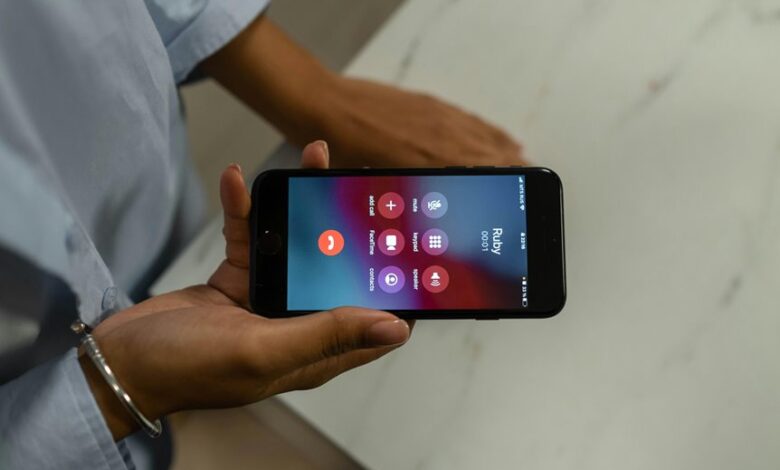
The Caller Identification Question Portal guides users through practical verification of suspected spam numbers. It combines cross-checks such as reverse lookups, caller ID apps, and carrier features with observable signals like inconsistent IDs and odd call timings. The approach emphasizes clear thresholds and careful documentation. It remains skeptical of unreliable sources and highlights when to block or report. A structured, transparent process invites further examination of patterns and tools to sharpen judgment.
What Is the Caller Identification Question Portal and Why It Matters
The Caller Identification Question Portal is a centralized resource for evaluating unfamiliar phone numbers and assessing their legitimacy. It catalogs patterns, flags anomalies, and aggregates community input to refine judgments about risk. This system emphasizes verification safeguards and the study of caller habits, enabling informed decisions. It favors autonomy, transparency, and structured scrutiny over guesswork, promoting prudent engagement with potential threats.
How to Verify a Spam Number: Quick, Practical Checks You Can Do Now
To verify a spam number quickly, one can perform a set of practical checks that rely on objective signals rather than intuition. The approach emphasizes verification steps that reveal patterns, such as inconsistent caller IDs, unusual call timing, and nonstandard numbers.
Clear-eyed assessment highlights scam indicators, enabling informed decisions about engaging or blocking while preserving personal autonomy.
Tools and Methods: Reverse Lookups, Caller ID Apps, and Carrier Features
Exactly how reverse lookups, caller ID apps, and carrier features function together is central to modern spam-number verification. Reverse lookups provide caller information linked to numbers, while caller ID apps aggregate data from multiple sources to flag suspicious patterns; carrier features offer native screening options and spam-block lists. The approach blends transparency, aggregation, and network-level protection for informed decision-making. reverse lookups, caller ID apps, and carrier features.
Distinguishing Scams From Legitimate Calls and What to Do Next
Distinguishing scams from legitimate calls builds on the prior discussion of reverse lookups, caller ID apps, and carrier features by applying these tools to real-world judgments. The analysis emphasizes verification discipline, wary questioning, and cross-checking with trusted sources. With unreliable sources, skepticism protects users; recognizing caller deception enables measured responses, such as hanging up or reporting. Next steps: document patterns, block doubtful numbers, and stay informed.
Conclusion
In a detached, analytical register, the Caller Identification Question Portal collapses chaos into charts, turning anxious glances into KPI dashboards. Satire sharpens the image: scammers flaunt fake IDs like vaudeville magicians, while honest callers lurk behind legitimate numbers, a quiet drumbeat of “verify, verify.” The toolkit—reverse lookups, apps, carrier signals—renders certainty from noise, if only momentarily. In practice, transparency, thresholds, and documented patterns become the audience’s moral compass, guiding reluctant clicks away from deception and toward safer communication.