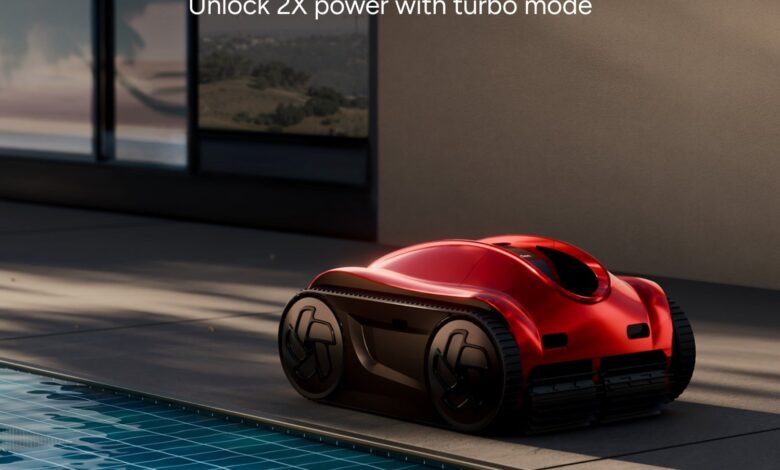
Every pool service professional knows the sinking feeling of discovering a scratch on a client’s pristine fiberglass shell or a scuff mark across delicate vinyl liner. Surface damage from improper cleaning methods isn’t just an aesthetic problem—it’s a liability issue that erodes client trust and eats into profit margins through costly repairs. Traditional cleaning tools, designed with a one-size-fits-all mentality, often fail to account for the diverse surfaces found across residential and commercial pools.
Enter the modern pool cleaning robot: an intelligent, surface-safe solution engineered to deliver thorough results without compromise. These machines represent a fundamental shift in how professionals approach pool maintenance, combining non-abrasive brushes, adaptive surface compatibility, and specialized waterline cleaning into a single versatile platform. This article explores how today’s pool robots address the critical intersection of safety and efficiency, examining the technologies that protect every surface type while delivering the spotless results clients expect. From gentle brush systems to smart navigation that adapts to plaster, vinyl, and fiberglass alike, we’ll cover what makes these tools indispensable for forward-thinking service providers.
The Critical Need for Surface-Safe Pool Cleaning
Modern pools feature a wide range of surface materials, each with distinct vulnerabilities that demand careful cleaning approaches. Plaster finishes, while durable, develop microscopic pores over time that aggressive scrubbing can widen into visible pitting and roughness. Vinyl liners are particularly susceptible to tears and punctures from stiff bristles or excessive suction pressure, and even minor damage can lead to leaks requiring full liner replacement. Fiberglass shells carry a smooth gel coat that scratches easily, leaving permanent marks that dull the surface’s glossy appearance and create footholds for algae growth.
Traditional cleaning methods—manual brushes with rigid nylon or steel bristles, high-pressure suction heads, and abrasive cleaning compounds—were designed for aggressive debris removal without regard for surface preservation. Pool service professionals frequently encounter the consequences: warranty claims from homeowners, expensive resurfacing jobs, and the reputational damage that comes with visibly harming a client’s investment. The industry increasingly demands equipment that eliminates this risk entirely. Professionals need tools capable of transitioning seamlessly between a delicate vinyl-lined residential pool and a commercial plaster facility without swapping attachments or adjusting technique. Surface-safe robotic cleaners directly answer this demand, offering consistent, damage-free results that protect both the pool and the professional’s bottom line.
See also: Gaming updates etesportech by etruesports
Core Technologies of a Modern Pool Cleaning Robot
The engineering behind today’s pool robots reflects years of refinement aimed at solving a fundamental tension: how to clean aggressively enough to remove stubborn biofilm, calcium deposits, and fine sediment while treating every surface with the gentleness it requires. Three core technology areas work in concert to achieve this balance.
Non-Abrasive Brushes: Gentle Yet Effective Cleaning
Modern pool robot systems employ specially engineered brush systems using soft PVA foam rollers or flexible rubber bristles that conform to surface textures rather than fighting against them. Unlike traditional stiff-bristle brushes that gouge into gel coats and tear at vinyl seams, these non-abrasive brushes lift algae and debris through consistent rotational contact and micro-scrubbing action. The material composition ensures thousands of cleaning cycles without degradation, maintaining the pool’s original finish integrity whether the surface is freshly applied plaster or an aging fiberglass shell.

Ensuring Pool Surface Compatibility with Smart Design
Adaptive engineering allows a single robot to transition between surface types without manual intervention. Variable-speed drive systems automatically modulate traction pressure, preventing the excessive grip that leaves tread marks on vinyl while maintaining enough adhesion to climb textured plaster walls. Intelligent suction regulation prevents liner lifting, and rubberized tracks distribute the unit’s weight evenly across delicate surfaces. This pool surface compatibility eliminates the need for professionals to maintain separate equipment for different client pools, streamlining operations considerably.
Advanced Waterline Cleaning for a Flawless Finish
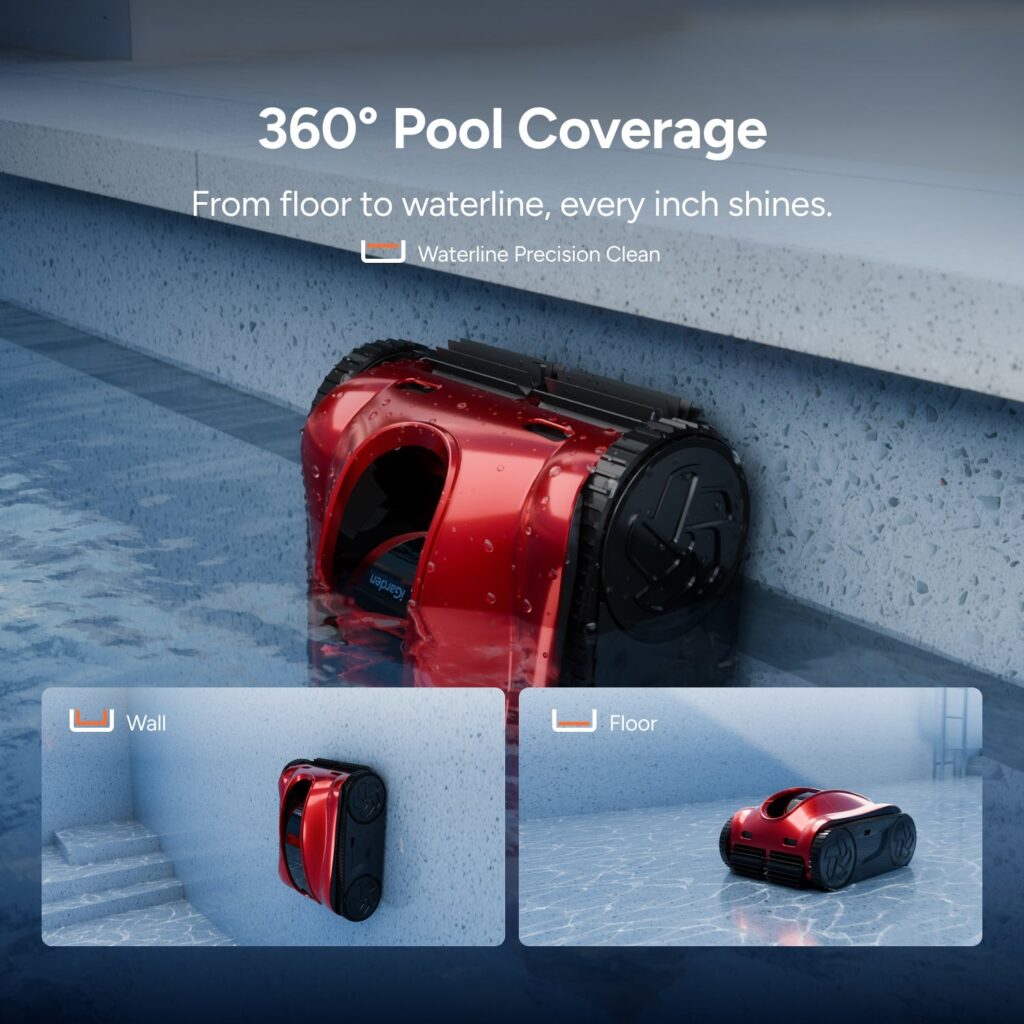
The waterline presents unique challenges—oils, sunscreen residue, and mineral scale accumulate at the water’s edge where standard floor-focused robots never reach. Advanced waterline cleaning technology uses dedicated brush assemblies positioned to maintain sustained contact along tile lines and acrylic edges as the robot navigates the pool perimeter. These systems break down stubborn deposits that manual scrubbing typically addresses, integrating seamlessly with the robot’s navigation pattern to ensure complete coverage without requiring separate passes or additional equipment.
Benefits for Pool Service Professionals
For pool service professionals managing dozens of accounts across varied property types, robotic pool cleaners fundamentally transform daily operations. The most immediate impact hits the schedule: a robot deployed at one property cleans autonomously while the technician handles chemical balancing, equipment inspections, or travels to the next job. This parallel workflow effectively doubles productive capacity without adding staff, translating directly into higher revenue per route day.
Liability reduction represents an equally significant advantage. Every scratch on a fiberglass shell or tear in a vinyl liner carries potential costs ranging from hundreds to thousands of dollars in repairs—not counting the client relationship damage that follows. Surface-safe robots eliminate this risk category entirely, allowing technicians to confidently deploy equipment on any pool type without the anxiety of causing harm. Insurance claims drop, and the professional’s reputation for careful, quality work strengthens with every service visit.
Service differentiation becomes possible when a single piece of equipment handles plaster commercial pools on Monday, vinyl residential installations on Tuesday, and high-end fiberglass designs on Wednesday. Professionals no longer turn away clients whose pool surfaces fall outside their comfort zone or equipment capabilities. One operator running a fleet of three robots reported cutting average per-pool cleaning time from 45 minutes of manual work to under 10 minutes of setup and retrieval, freeing nearly five hours daily for additional appointments. Another found that offering robotic cleaning as a premium service tier attracted higher-value clients willing to pay more for guaranteed surface-safe results. The versatility these machines provide doesn’t just protect pools—it expands what a service business can offer and earn.
Practical Implementation: Steps and Solutions for Professionals
Transitioning from manual cleaning methods to robotic systems requires more than simply purchasing equipment—it demands a thoughtful integration strategy that accounts for varied client pools, scheduling logistics, and ongoing equipment care. As smart home ecosystems from brands like iGarden continue to expand into outdoor and pool management, professionals who approach implementation systematically see faster returns and fewer operational hiccups during the adjustment period.
Step-by-Step Setup and Operation Guide
Begin each deployment by inspecting the pool for large debris, loose drain covers, or obstacles that could interfere with navigation. Remove anything that might entangle the unit before lowering it into the water, allowing air to escape from the chassis to ensure proper sinking and wall adhesion. When servicing a new pool for the first time, walk the perimeter to identify the surface type and note any existing damage worth documenting for liability protection. Most modern robots auto-detect surface characteristics, but confirming the appropriate cleaning mode ensures optimal brush speed and suction calibration. Program the unit’s cycle duration based on pool size—smaller residential pools typically need shorter runs while commercial facilities benefit from extended coverage patterns. Position the power supply away from splash zones and ensure the cable feeds freely without kinking. Once activated, use the initial minutes to verify the robot tracks smoothly along walls and transitions between floor and vertical surfaces without stalling. This brief observation window catches rare setup issues before you leave the property, letting you confidently move to your next task knowing the clean will complete successfully.
Maintenance and Troubleshooting for Longevity
After each use, rinse the robot thoroughly with fresh water to prevent chemical residue from degrading seals and brush materials. Empty and clean filter canisters or bags completely—clogged filtration reduces suction efficiency and forces the motor to work harder, shortening component life. Inspect non-abrasive brushes weekly for wear patterns, embedded debris, or deformation that could compromise their surface-safe properties. Most brush assemblies last several hundred cycles, but replacing them proactively before visible deterioration ensures consistent cleaning quality across all surface types.
When navigation issues arise—such as the robot repeatedly missing sections or failing to climb walls—check the drive tracks for accumulated calcium buildup or worn tread surfaces that reduce grip. Verify that the cable isn’t tangled or creating drag that pulls the unit off course. If the robot struggles on a specific surface type, recalibrate the cleaning mode or consult the manufacturer’s compatibility guidelines to confirm proper settings. Store the unit out of direct sunlight between jobs, as UV exposure degrades rubber components and housing materials over time. Keeping a simple maintenance log for each robot in your fleet helps identify patterns before they become failures, ensuring your equipment stays versatile and reliable across every client’s pool throughout the season.
Surface-Safe Robotic Cleaning as a Competitive Advantage
The modern pool cleaning robot represents a decisive answer to the challenges that have long plagued service professionals—surface damage, inefficiency, and the limitations of one-dimensional equipment. By combining non-abrasive brush technology, intelligent pool surface compatibility, and dedicated waterline cleaning capabilities, these machines deliver what the industry has needed: thorough, safe cleaning across plaster, vinyl, and fiberglass without compromise or hesitation.
For professionals building sustainable service businesses, the value proposition extends well beyond clean pools. Reduced liability, expanded client bases, reclaimed labor hours, and premium service positioning all flow from adopting equipment designed with both surface safety and operational versatility at its core. As client expectations rise and pool designs grow more diverse, the ability to deploy a single trusted solution across every account becomes not just convenient but competitively essential. Professionals who embrace robotic cleaning technology now position themselves ahead of an industry that increasingly rewards precision, reliability, and the confidence that comes from knowing every surface is protected on every visit.